About ALOE VERA JUICE PROCESSING PLANT
Key Processes Involved:
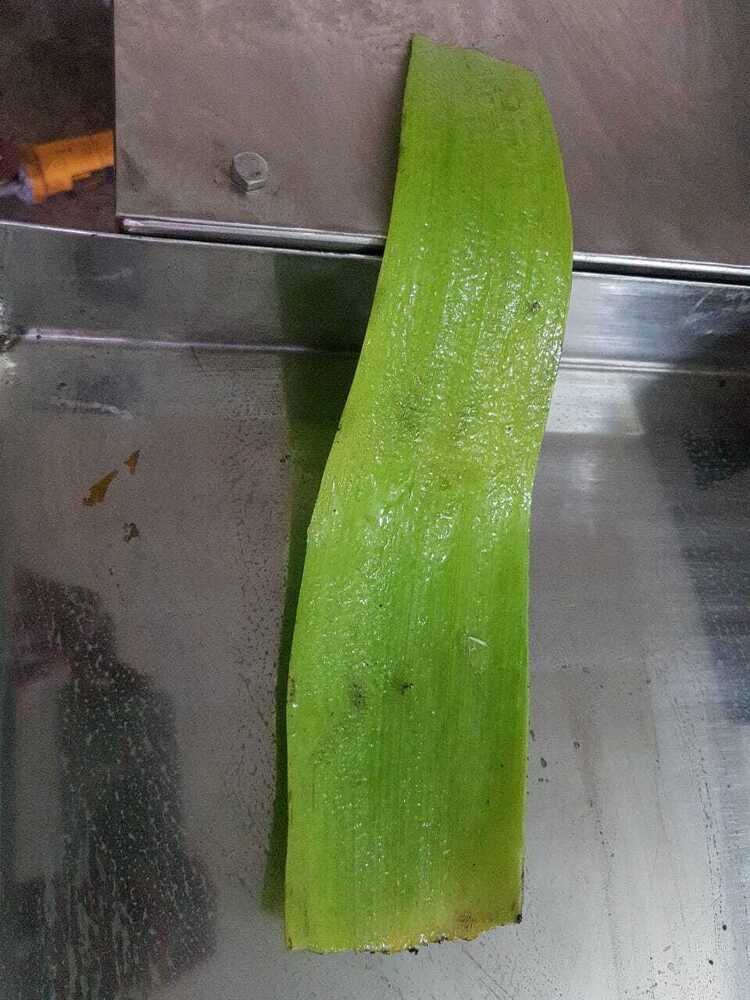
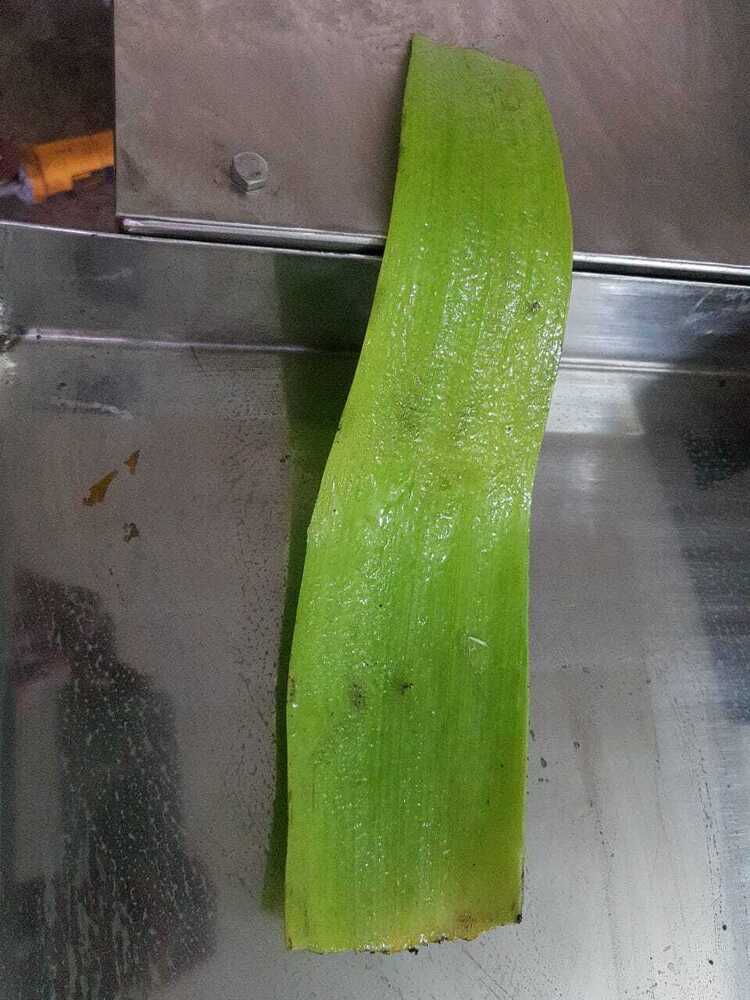
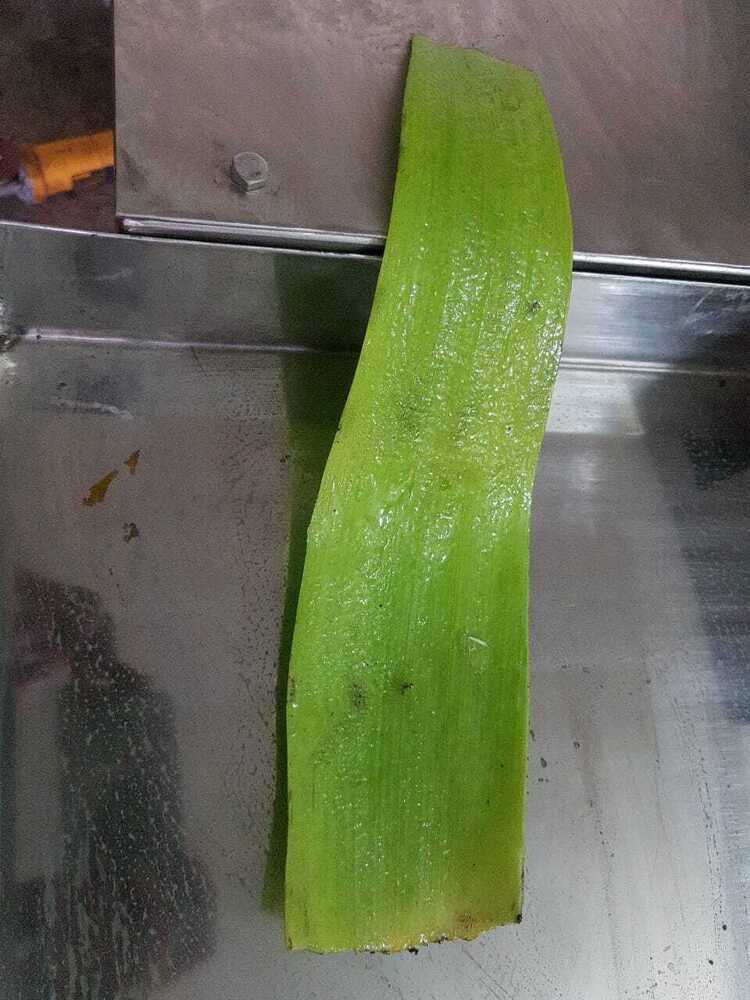
- Raw Material Procurement: High-quality aloe vera leaves are sourced from farms or cultivated lands.
- Washing and Pre-Processing: Leaves are thoroughly cleaned to remove dirt and impurities.
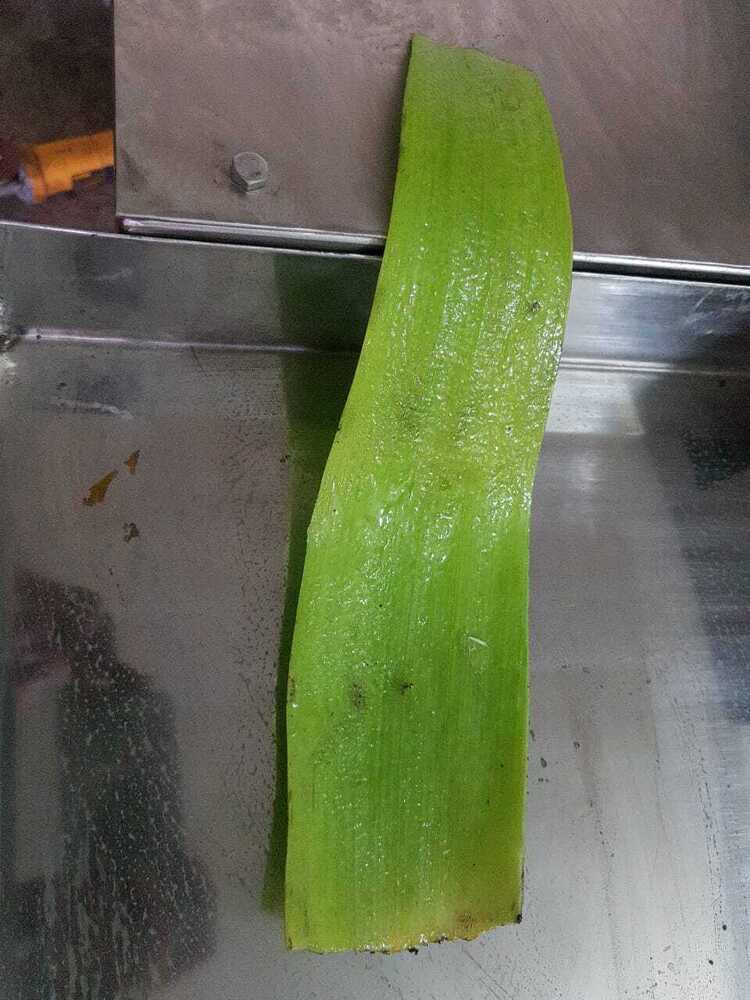
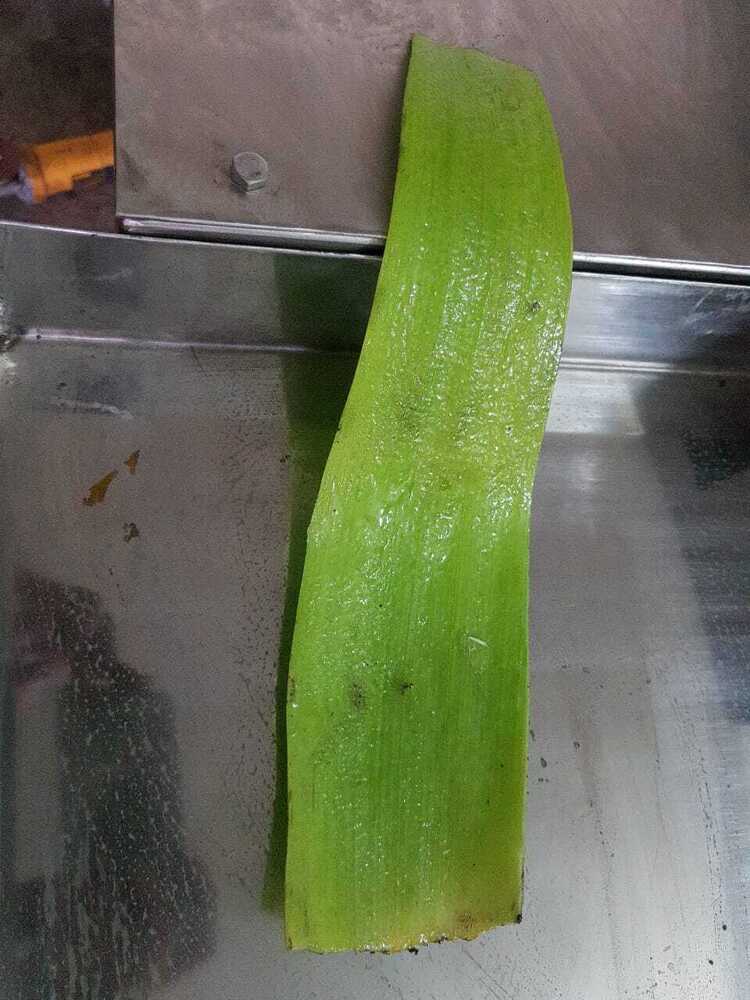
- Leaf Separation: The outer skin and inner latex are separated to retain only the pure aloe vera gel.
- Extraction: The gel is extracted from the leaf using mechanical methods.
- Pressing: The extracted gel is pressed to form into liquid (Juice).
- Filtration: The Juice then undergoes filtration to remove any remaining impurities.
- Homogenization: The Juice is blended to ensure a uniform consistency.
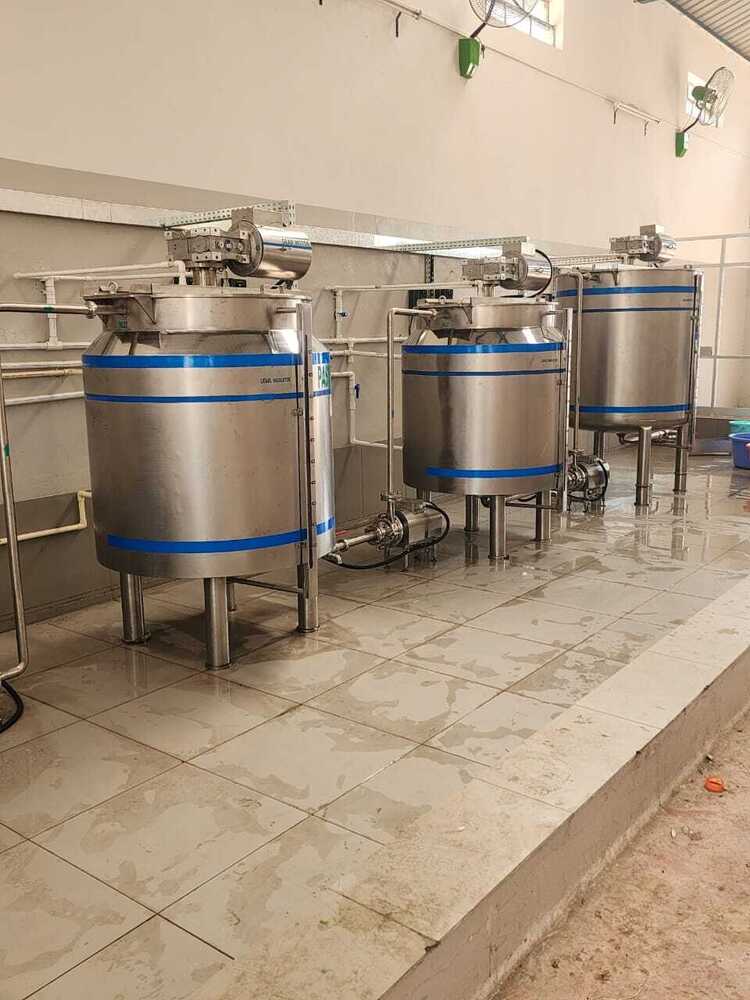
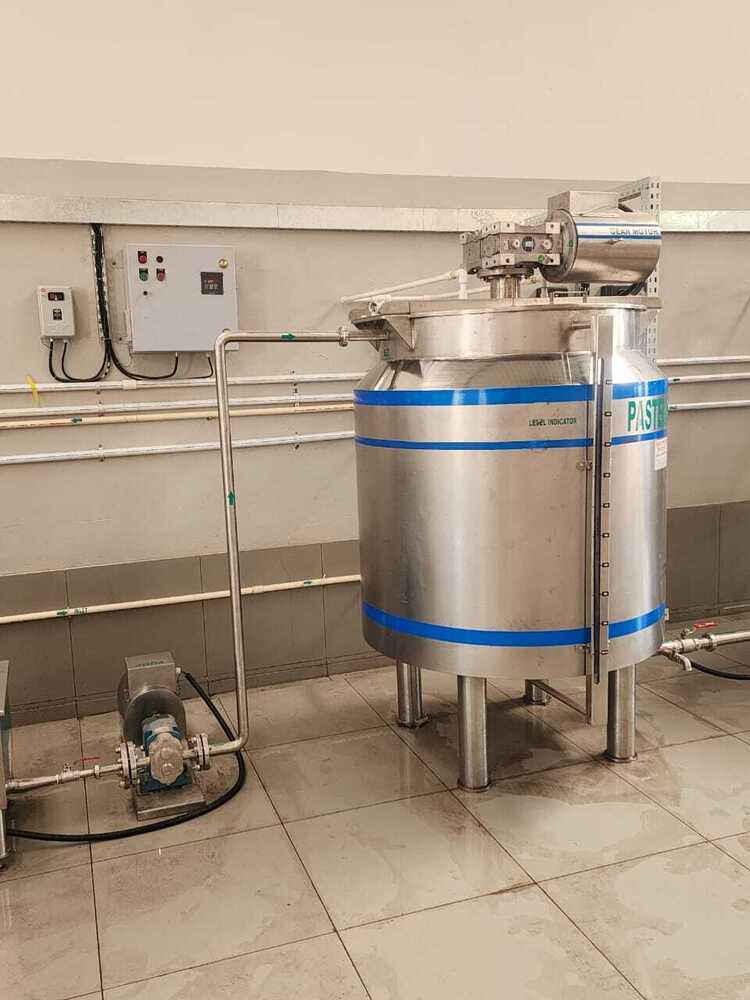
- Pasteurization: The juice is heated to eliminate harmful microorganisms.
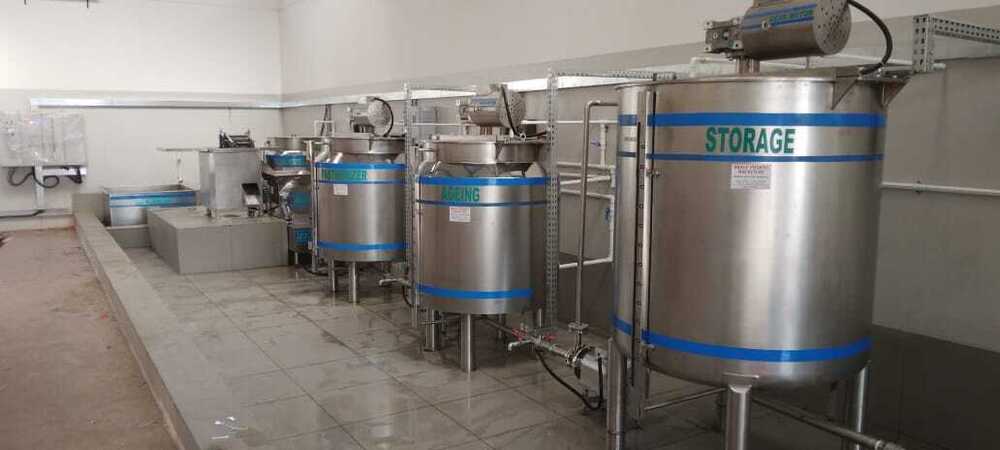
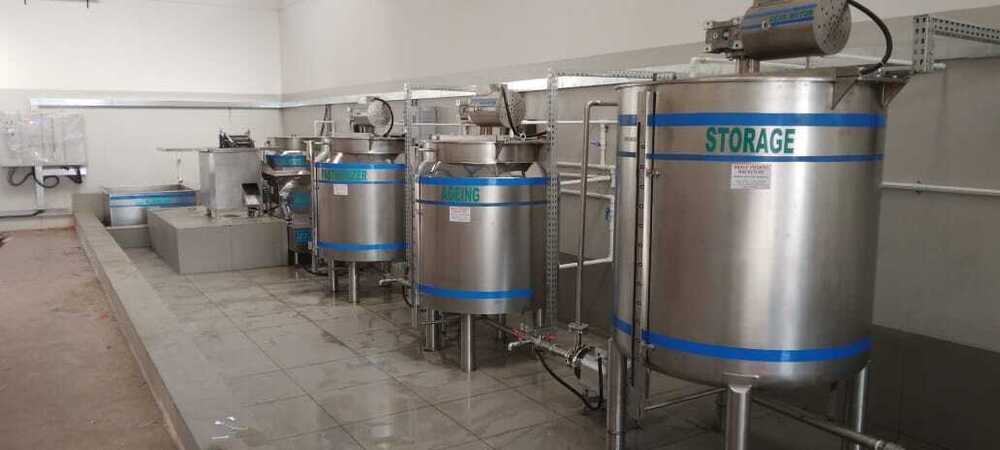
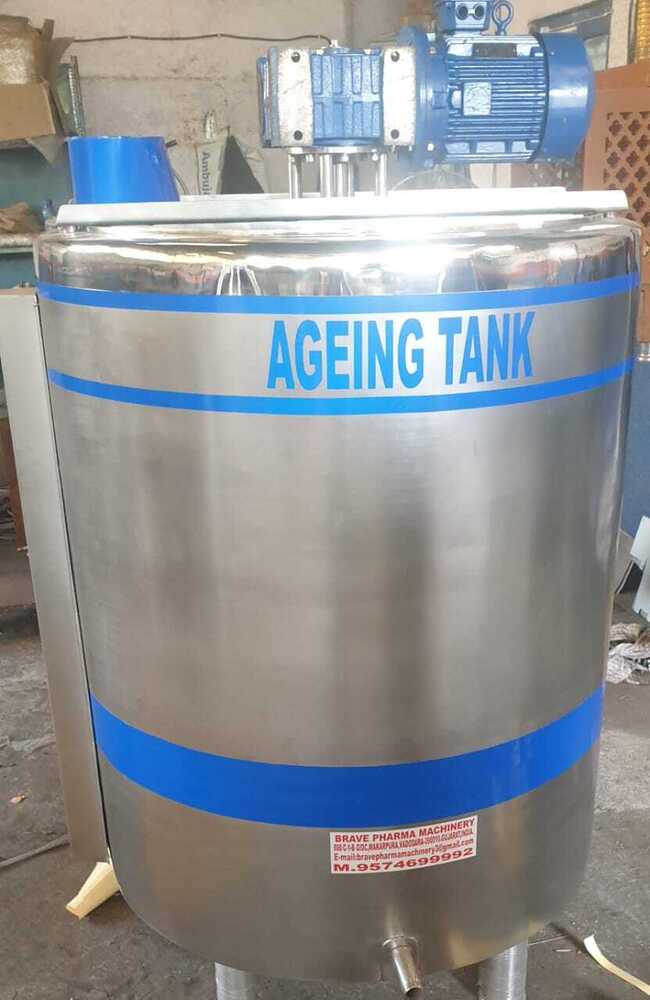
- Ageing: The Juice is cooled downfor expanding the lifespan of juice while maintaining the nutrients and flavors.
- Packaging: The processed aloe vera juice is filled into containers (bottles, cartons, etc.) and sealed.
- Quality Control: Rigorous testing is conducted to ensure product safety and adherence to standards.
Plant Layout:
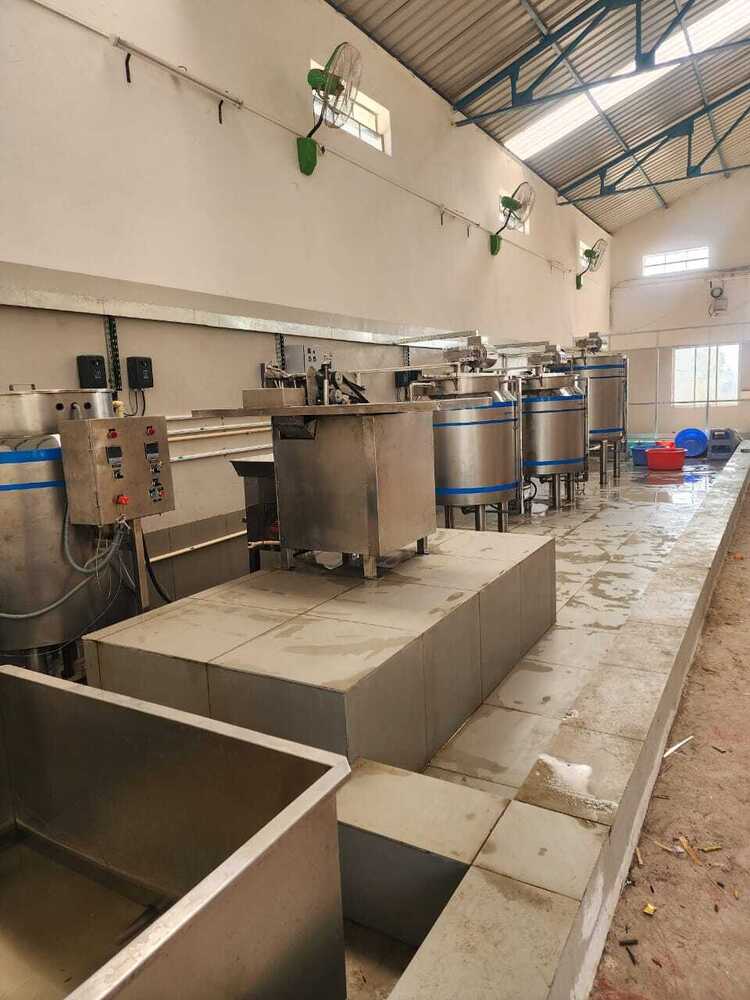
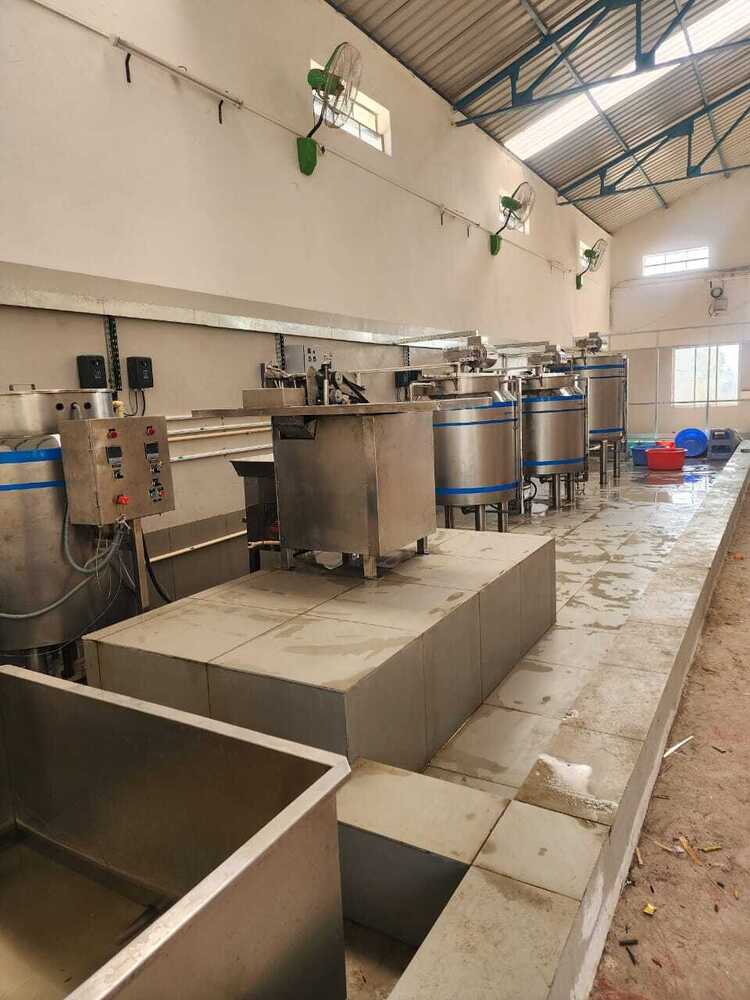
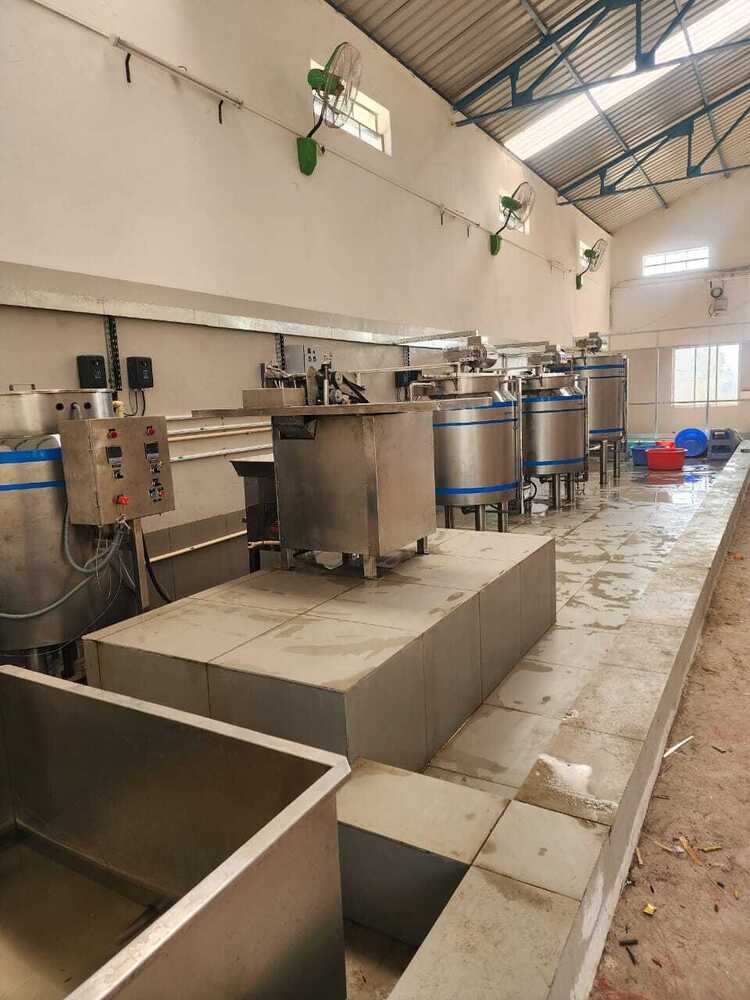
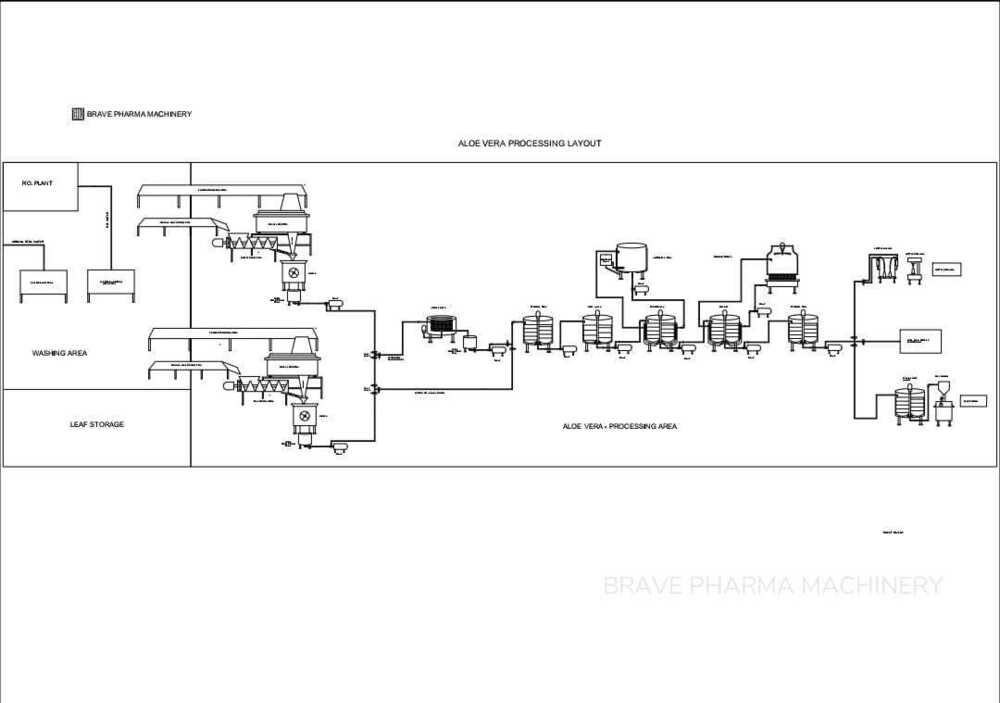
A typical aloe vera juice processing plant consists of the following sections:
- Raw material storage: For incoming aloe vera leaves.
- Washing and pre-processing area: For cleaning and preparing the leaves.
- Extraction and filtration section: For extracting and purifying the gel.
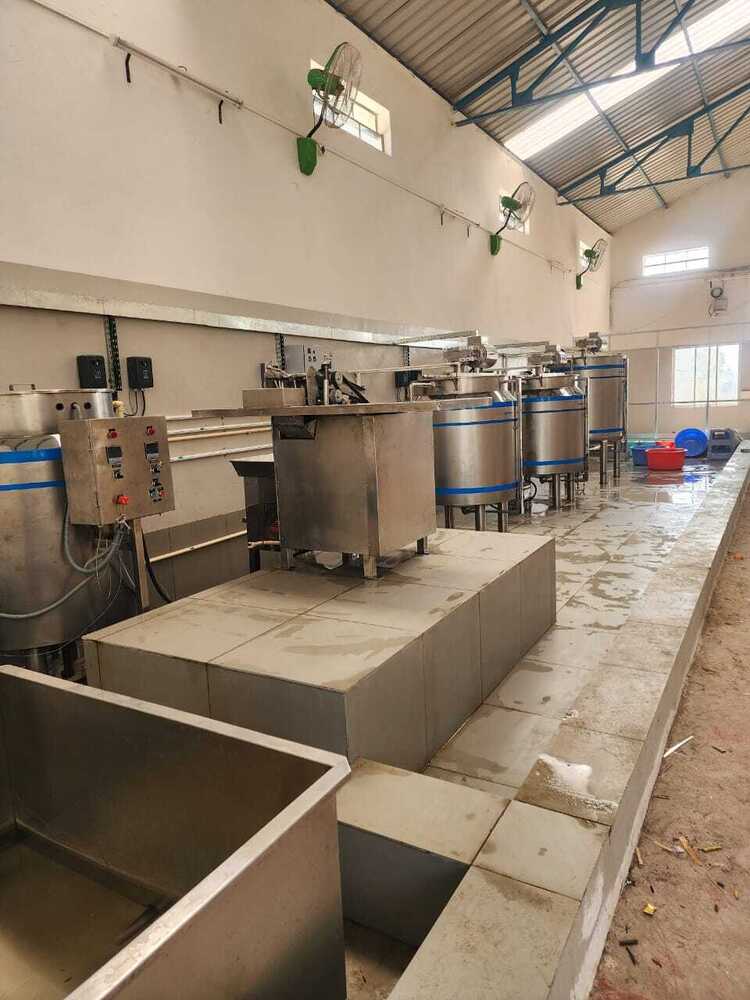
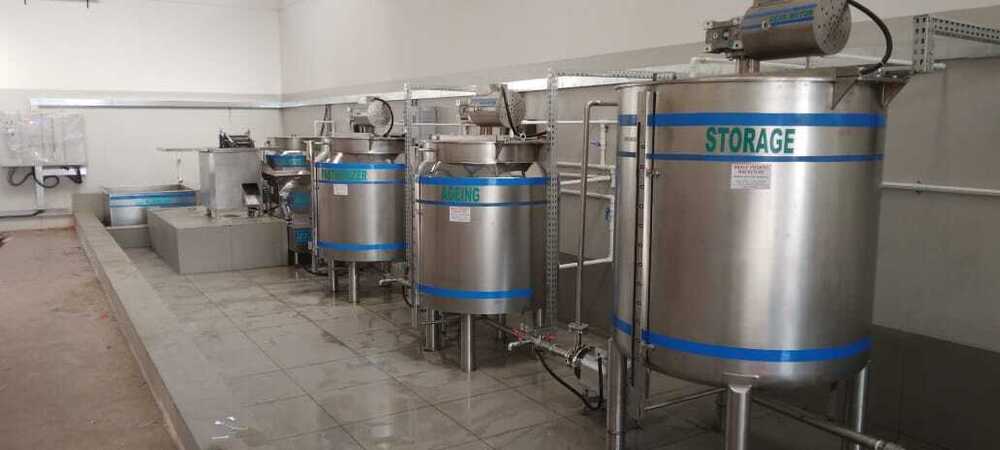
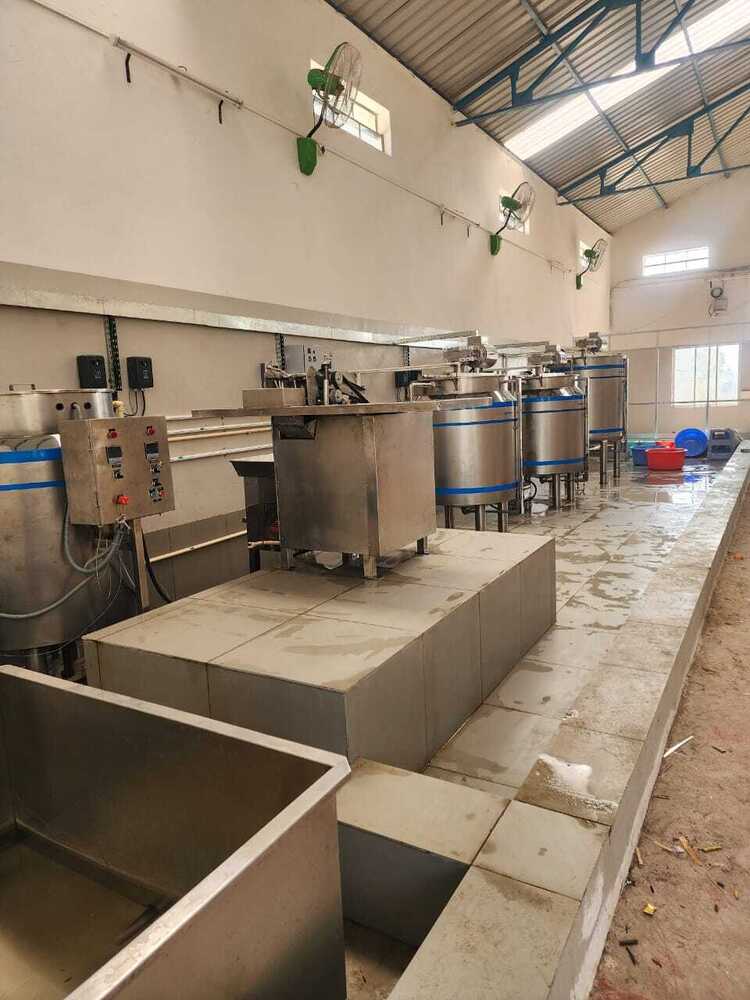
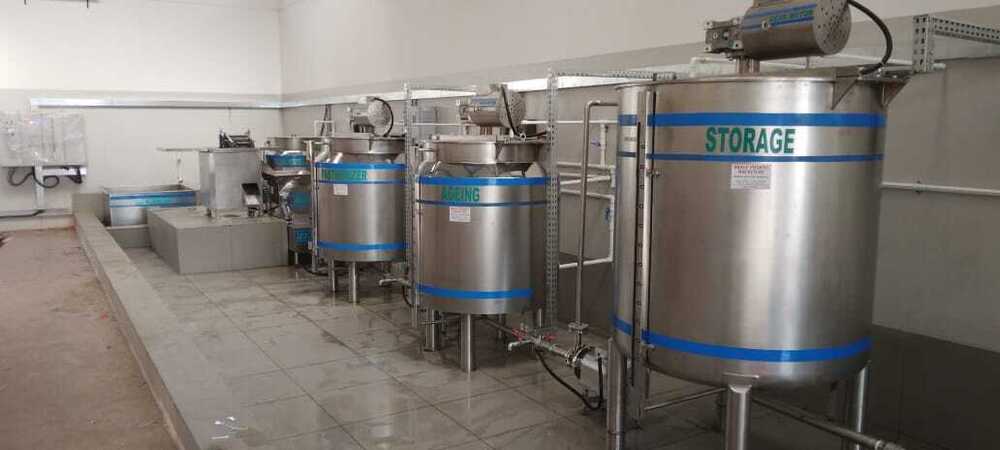
- Processing area: For extraction, homogenization, pasteurization and ageing.
- Packaging area: For filling and sealing the juice.
- Quality control laboratory: For product testing.
- Storage area: For finished products.
Machinery and Equipment:
- Aloe Vera Washing Tank
- Aloe Vera Pulp Extractor
- Aloe Vera Juicer
- Aloe Vera Juice Filter (For Human Consumption)
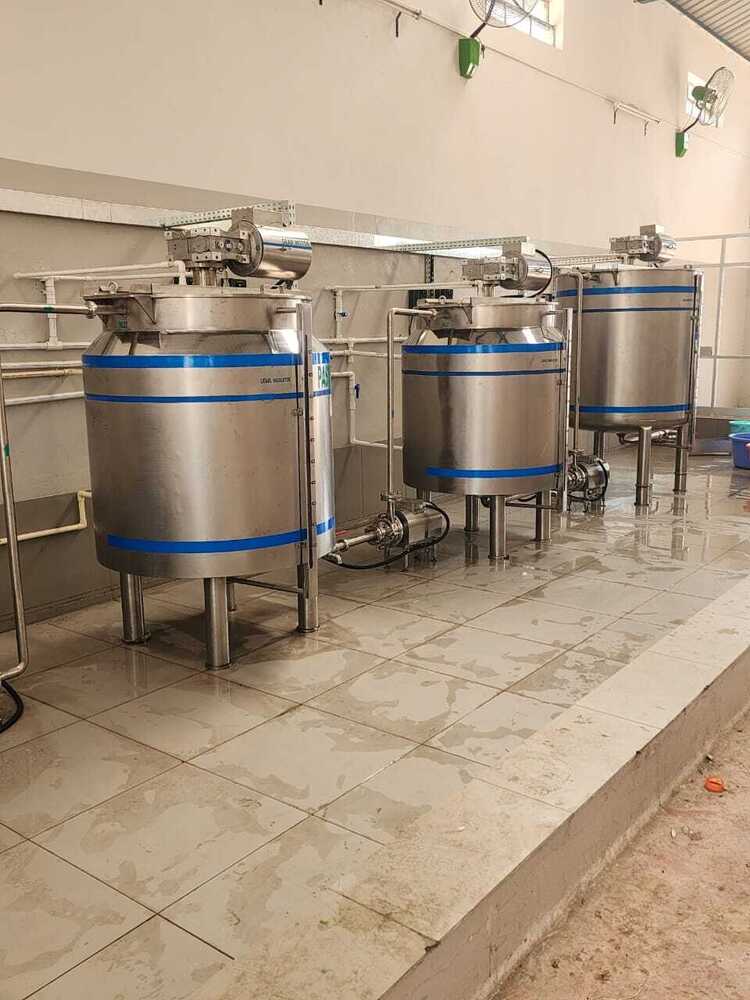
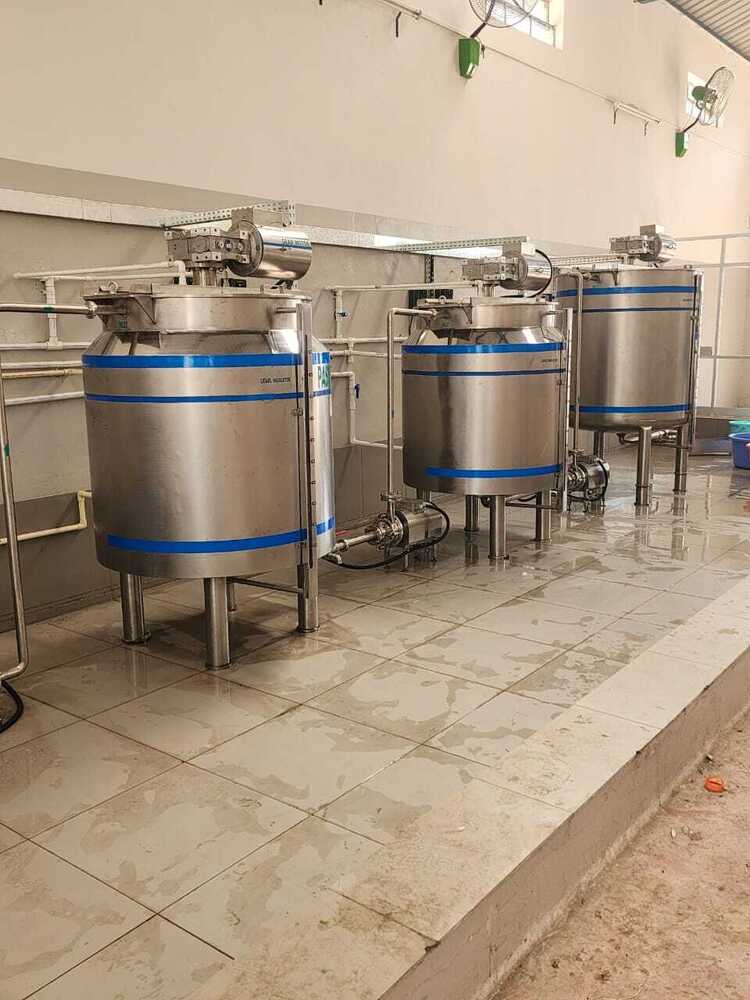
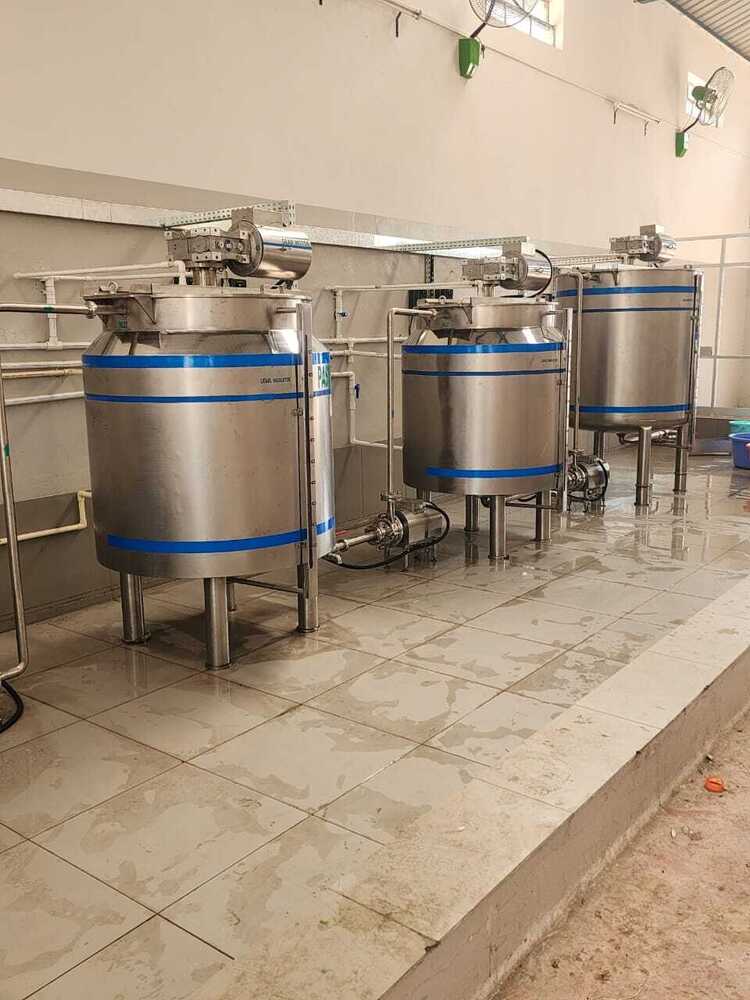
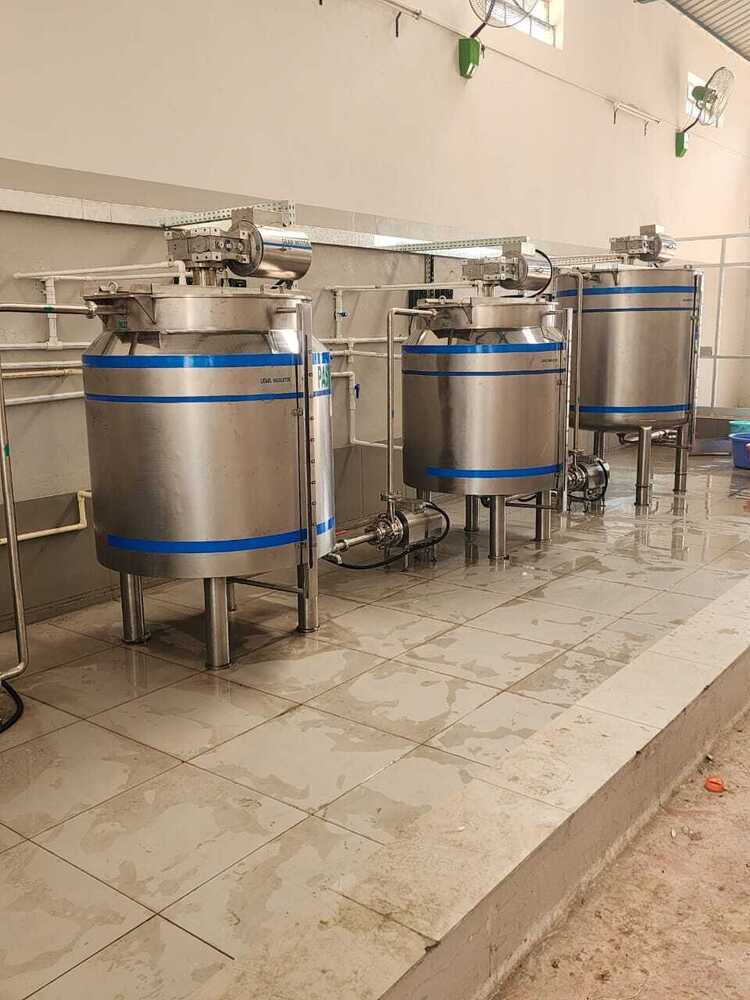
- Aloe Vera Pasteurizer
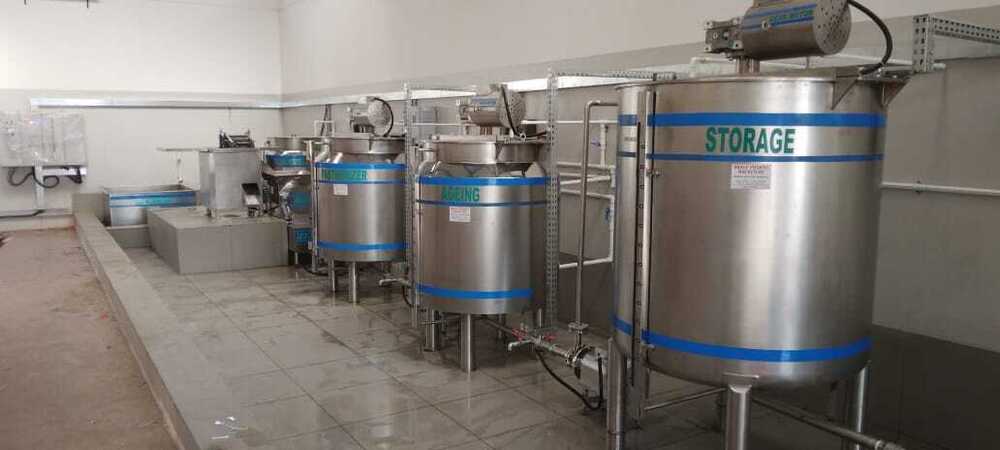
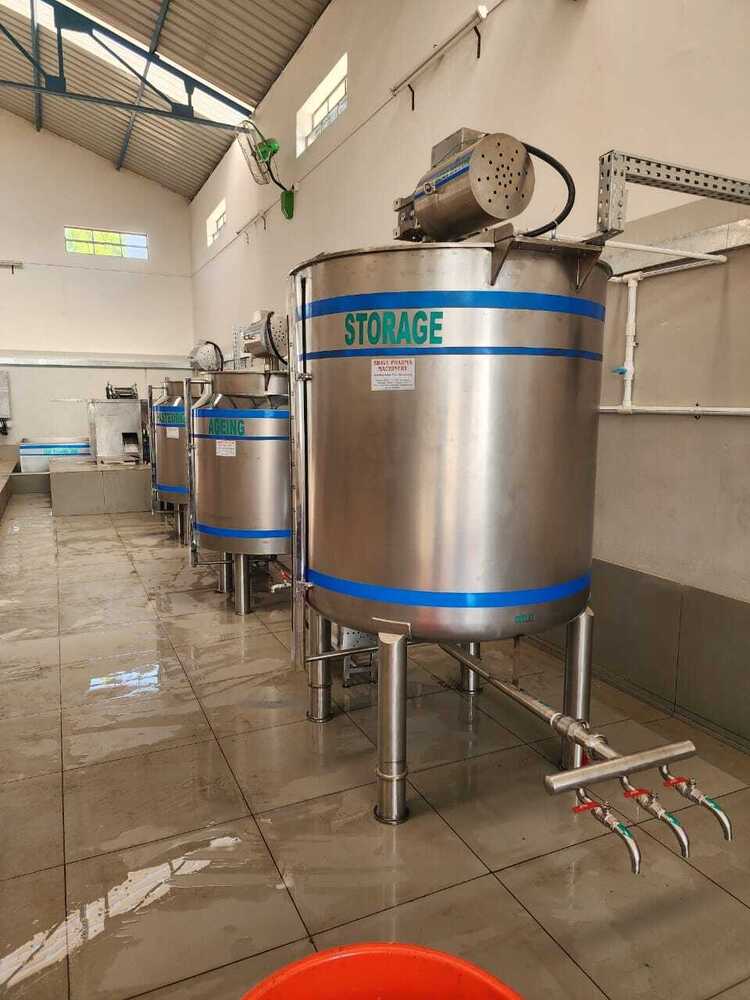
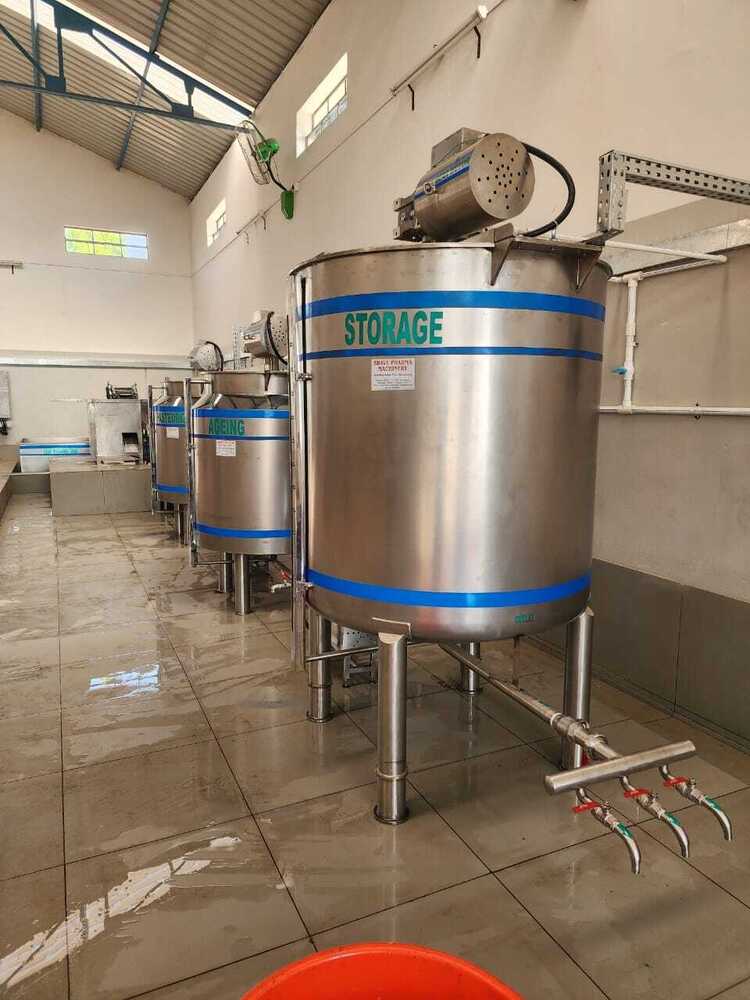
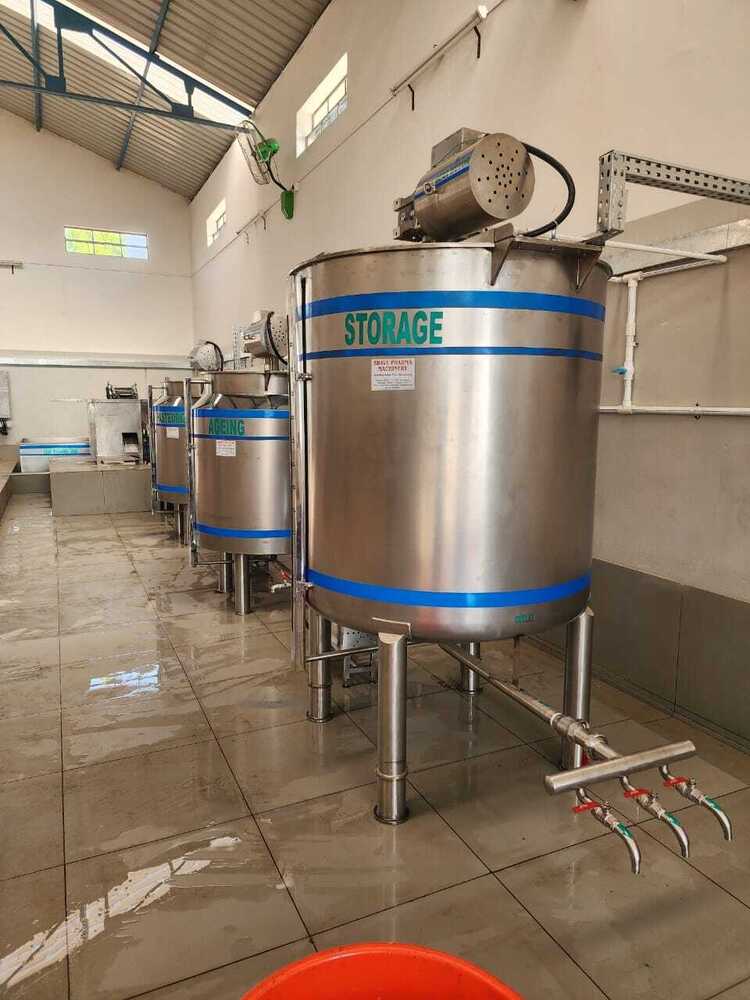
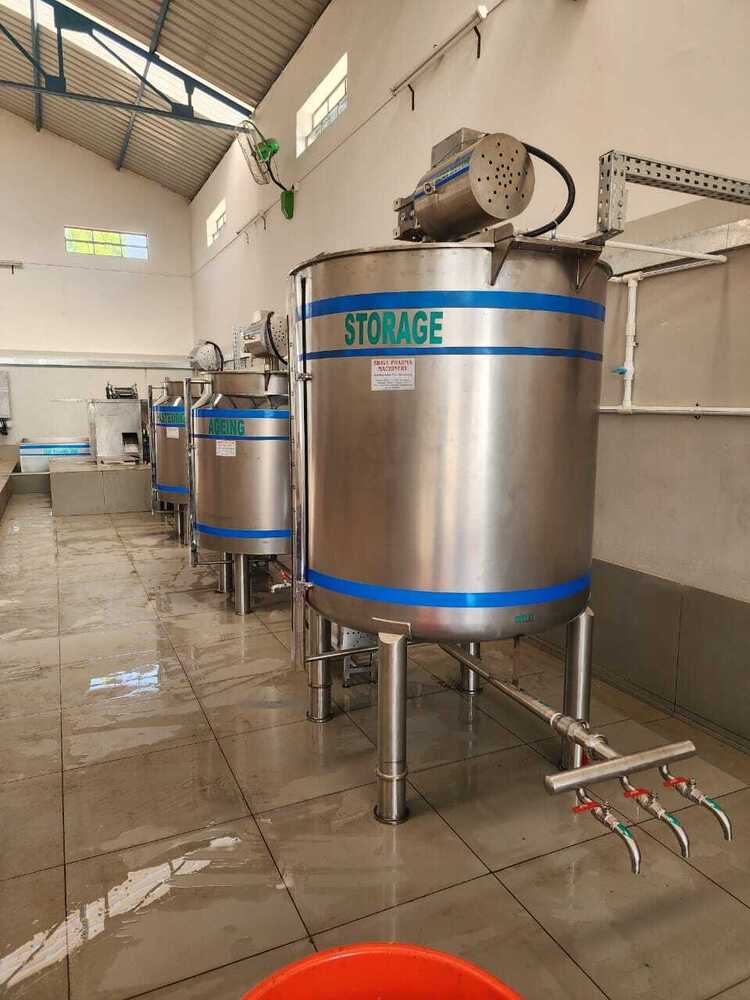
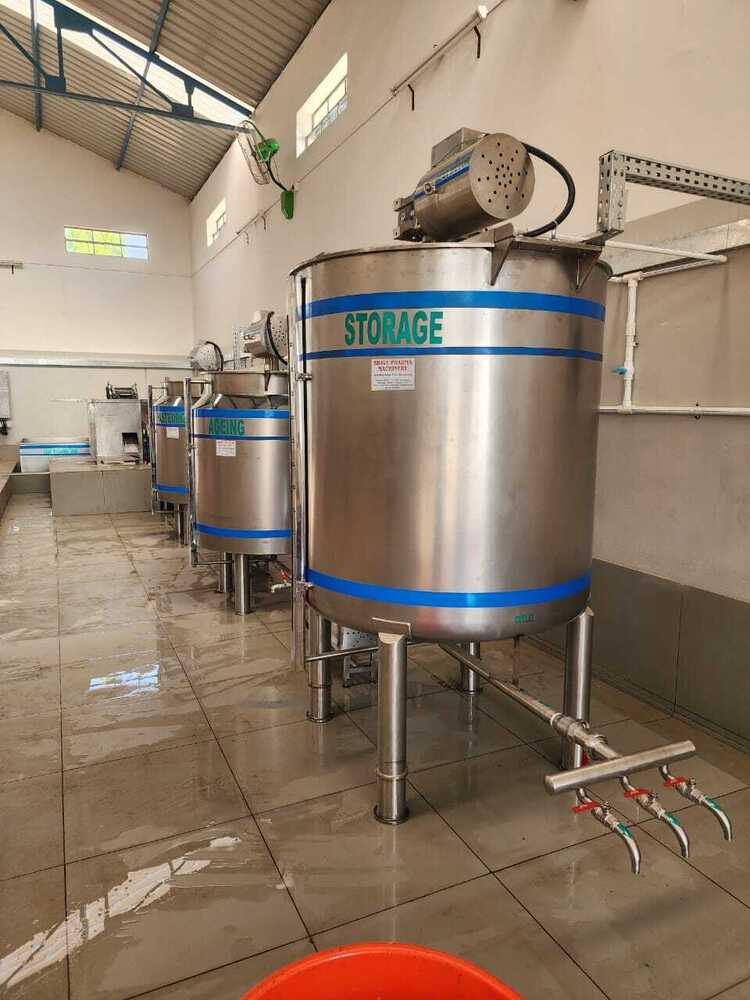
- Aloe Vera Ageing
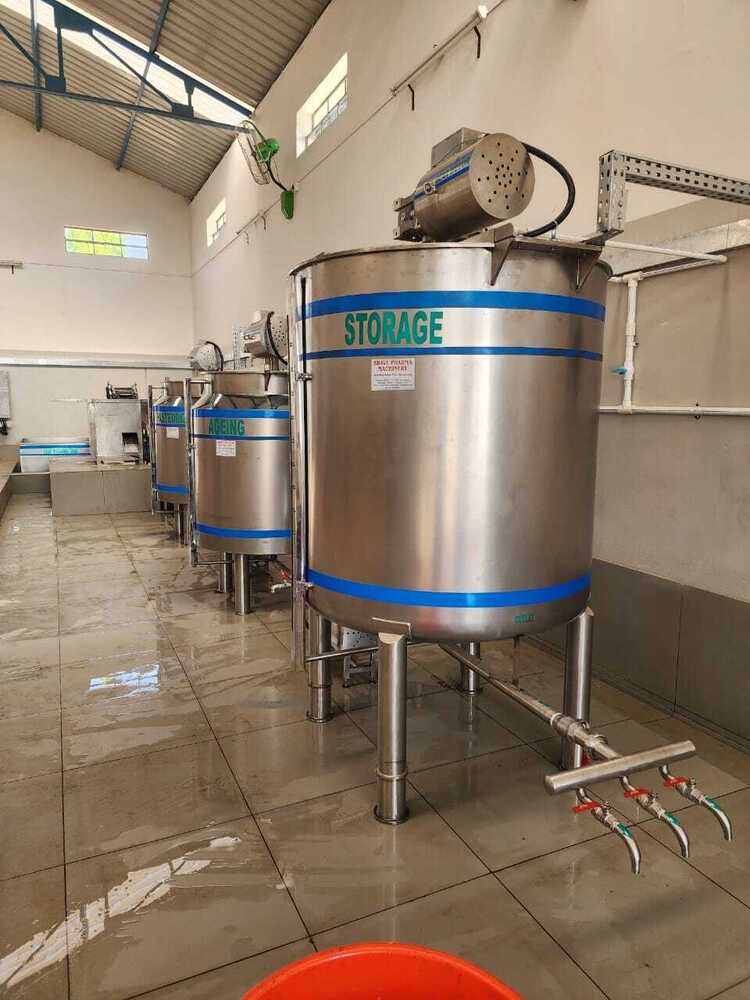
- Aloe Vera Storage Tank
- .
Note:The specific processes and equipment may vary depending on the scale of the plant and desired product output.
Effortless Automation and ControlThe plant operates on a sophisticated PLC-based control system, offering seamless automation for every stage. Variable speed control via inverter ensures precise processing, while a user-friendly interface allows operators to monitor and adjust operations with ease. This results in minimal manual intervention and consistent, high-quality output on a daily basis.
Safety, Efficiency & HygieneEngineered for safety and productivity, the plant incorporates an emergency stop mechanism and overload protection. Its stainless steel, mirror-polished surfaces resist corrosion and support the advanced Clean-In-Place (CIP) system, promoting optimal hygiene without manual cleaning. Operating silently below 65 dB, it is ideal for modern, efficient juice production environments.
FAQs of ALOE VERA JUICE PROCESSING PLANT:
Q: How is the aloe vera juice extracted and processed in this plant?
A: The plant uses a fully automatic, PLC-based extraction and processing system that efficiently transforms aloe vera leaves (up to 500 mm in size) into juice, gel, or puree. The entire process, from feeding to bottle filling, takes place within 1015 minutes per batch and maintains juice recovery rates of 8590%.
Q: What safety and hygiene features does the plant offer during operation?
A: Safety is ensured through emergency stop functions and overload protection. Hygiene is maintained using a Clean-In-Place (CIP) cleaning method, stainless steel surfaces, and mirror-polished finishing, which collectively minimize contamination and simplify cleaning needs.
Q: When should you perform cleaning and maintenance on this plant?
A: Regular cleaning after each production batch is suggested, using the inbuilt CIP (Clean-In-Place) system. Routine maintenance checks on mechanical and electrical components should be scheduled according to the manufacturers guidelines for optimal plant performance.
Q: Where can this aloe vera juice processing plant be installed, and what are the installation requirements?
A: This plant can be installed in any food/beverage processing facility with ambient temperature ranges between 1040C, and suitable electric supply (220440 V, 50/60 Hz). The manufacturer provides onsite installation and operator training to ensure seamless setup.
Q: What types of containers are compatible with this plant for juice filling?
A: The aloe vera juice processing plant is designed to fill PET, glass, and HDPE bottles, ensuring versatility for various packaging preferences and market demands.
Q: How does the plant benefit juice manufacturers regarding efficiency and resource usage?
A: Manufacturers benefit from high production efficiency (up to 3000 liters/day at 95% processing efficiency), low noise operation (<65 dB), reduced water consumption (2030 liters/hour), and consistent product quality, all supported by comprehensive lifetime technical support.






 Send Inquiry


 Send Inquiry
 Send Inquiry
 Send SMS